A ripening room brings fruit to its eating point; a degreening room changes citrus peel color. Compare fruit, temperature, humidity, ethylene and cycle times.
In This Article
- What is a ripening room?
- What is a degreening room?
- Ripening room vs. degreening room side by side
- Which one does your fruit need?
- The third option: controlled atmosphere
- Monitoring and traceability
- What you need on site
- Why ripen or degreen on site
- 20 ft or 40 ft?
- How to choose: a quick checklist
- Rent or buy?
- What affects the cost
- Next step
Short answer: a ripening room brings fruit to its eating point; a degreening room only changes the color of the peel. Both control temperature, humidity, airflow and ethylene, but they are used on different fruit for different goals. Bananas, avocados, mangoes, papayas, kiwis and tomatoes are ripened. Citrus does not ripen after harvest, so oranges, mandarins, lemons and grapefruit that are mature inside but still green are degreened.
What is a ripening room?
Fresh fruit keeps living after harvest: it breathes, produces ethylene and changes color and texture. A ripening room steers that process so climacteric fruit reaches ready-to-eat on the day you need it, for retail shelves or industrial processing. A ZGROUP mobile ripening room runs three steps in one unit:
- Homogenize: bring the whole load to the same pulp temperature.
- Ripen: trigger and manage ripening with dosed ethylene.
- Cool: drop the temperature to slow ripening and hold the fruit until it ships.
It controls temperature up to 94°F, relative humidity up to 95% and ethylene dosing, with airflow designed to reach every pallet. Cycle length is not a fixed number. It depends on the fruit and variety, its condition on arrival and, above all, its end use: fruit ripened at origin for industrial processing (pulp, IQF) runs a different program from fruit ripened to a retail color stage. Batch times vary a lot, so each cycle is programmed for the product and its destination.
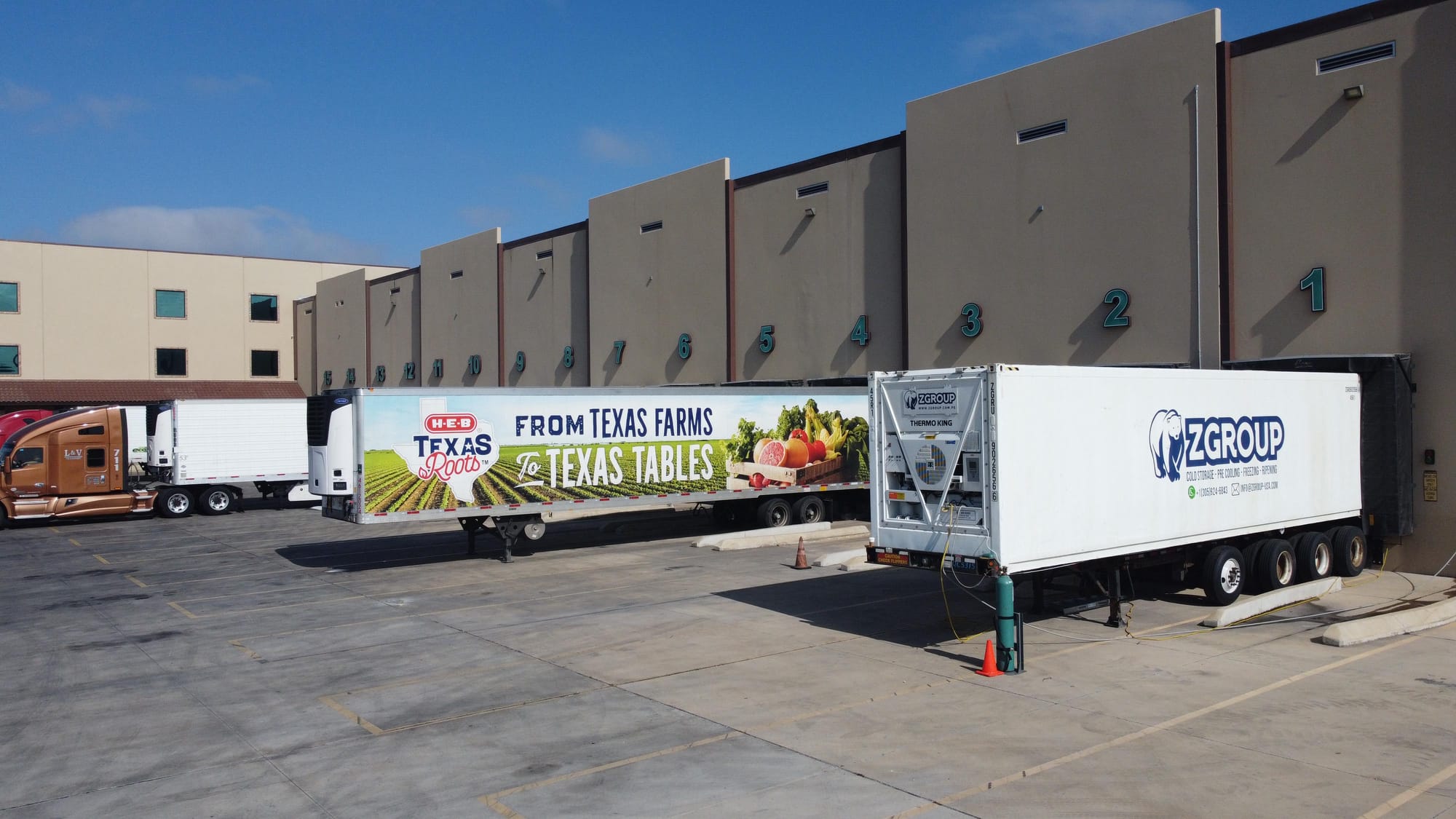
What is a degreening room?
A degreening room removes the green color from citrus peel by applying ethylene under controlled temperature. The process breaks down chlorophyll in the peel without affecting internal quality, revealing the fruit's natural yellow and orange tones. It is essential for citrus that reaches internal maturity but stays green, especially where warm nights prevent natural color change. The same process is also used on bell peppers, tomatoes and other produce that need even color.
A ZGROUP degreening room holds 68°F to 77°F, 90–95% relative humidity and 1–5 ppm ethylene, in programmable cycles of 3 to 5 days set by variety and the fruit's starting condition.
Ripening room vs. degreening room side by side
| Ripening room | Degreening room | |
|---|---|---|
| Goal | Bring fruit to its eating point | Reach market color on the peel |
| What changes | Ripeness, texture and color | Peel color only; flavor and internal quality are preserved |
| Typical products | Bananas, avocados, mangoes, papayas, kiwis, tomatoes | Oranges, mandarins, lemons, grapefruit; also bell peppers and tomatoes |
| Temperature | Up to 94°F, by stage and fruit | 68°F to 77°F |
| Relative humidity | Up to 95% | 90–95% |
| Ethylene | Dosed, by fruit program | 1–5 ppm |
| Cycle | Varies with fruit, condition and end use (processing or retail) | 3–5 days |
| Sizes | 20 ft and 40 ft containers | 20 ft and 40 ft containers |
Which one does your fruit need?
- Climacteric fruit (bananas, avocados, mangoes, papayas, kiwis, tomatoes) keeps ripening after harvest: use a ripening room to make it even and on schedule.
- Citrus does not ripen after harvest: when it is mature inside but green outside, use a degreening room.
- Produce that needs even color, such as bell peppers, can also be degreened.
Each product has its own temperature, ethylene and duration program, so tell us which fruits and varieties you handle when you ask for a recommendation.
The third option: controlled atmosphere
Ripening and degreening speed fruit up. A controlled atmosphere room does the opposite: lower oxygen and higher CO₂ slow the fruit's respiration to extend shelf life in storage and transit, and for phytosanitary cold treatment. ZGROUP's controlled atmosphere containers control oxygen from 3% to 21% and pull down to 5% O₂ in 48 hours.
Monitoring and traceability
Ripening and degreening are measured in days, so problems are expensive when nobody sees them. ZTrack shows temperature, humidity, ethylene and ripening status in real time, from anywhere, with full traceability for every cycle. That record helps you repeat a good program, adjust one that was off, and answer customer questions about how a batch was handled.
What you need on site
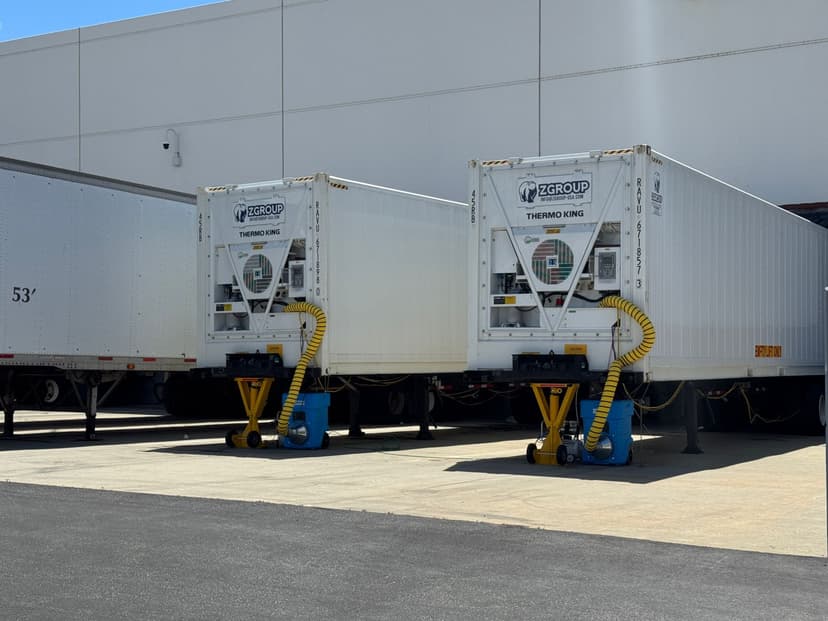
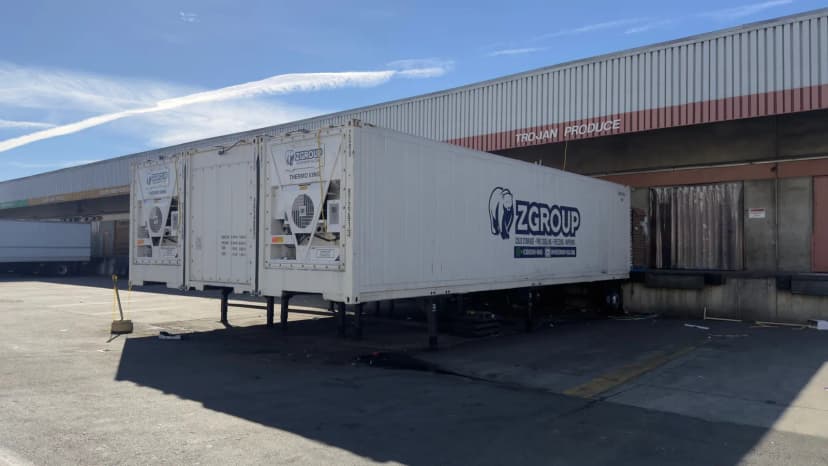
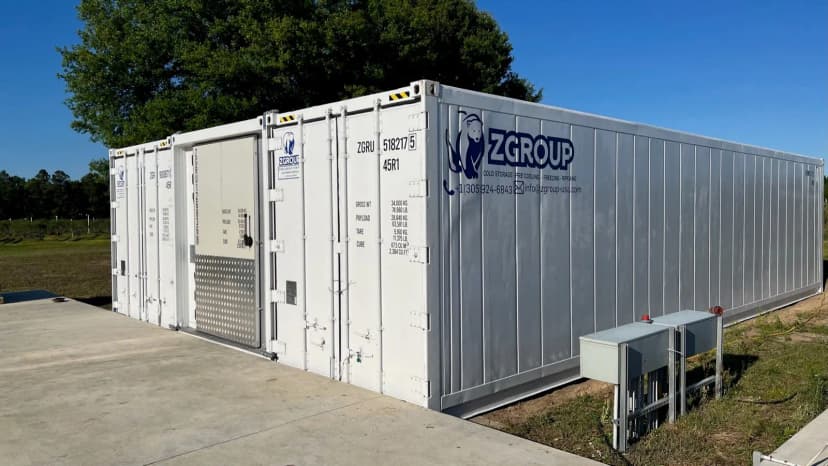
Both rooms are containerized and modular. They sit on any level surface and need power plus an ethylene supply, and water for humidification. There is no construction: units are delivered in under 60 days, installed in 2–5 days, and can be relocated whenever your operation moves. ZTrack monitoring shows temperature, humidity and ethylene in real time throughout the cycle, with traceability for every batch.
Why ripen or degreen on site
Owning the process gives you control of the calendar. Fruit reaches ready-to-eat, or market color, on the day you need it instead of the day it happens to arrive. Every batch gets the same treatment, from the first box to the last, so retail and processing customers receive even fruit. A containerized room also lets you start or add capacity in no time, at the dock or next to the packing line, and move it between fields, collection centers or sites as the season moves.
20 ft or 40 ft?
Both room types come in 20 ft and 40 ft containers with the same controls. The 20 ft fits mid-size batches or operations that move the room between fields and collection centers. The 40 ft gives twice the usable length, so more product per cycle, for higher-volume and export operations. If your volume varies through the year, several 20 ft rooms can be run on different programs at the same time, for example one fruit ripening while another holds.
How to choose: a quick checklist
- Which fruits and varieties do you handle, and in what volume per week?
- Do you need ripening, degreening, longer storage, or more than one?
- What ripeness or color stage do your customers expect, and when?
- Where will the room sit: at the dock, next to the line or in the field?
- Do you have power, an ethylene supply and water at that spot?
- Is the need seasonal (rent) or year-round (buy)?
Rent or buy?
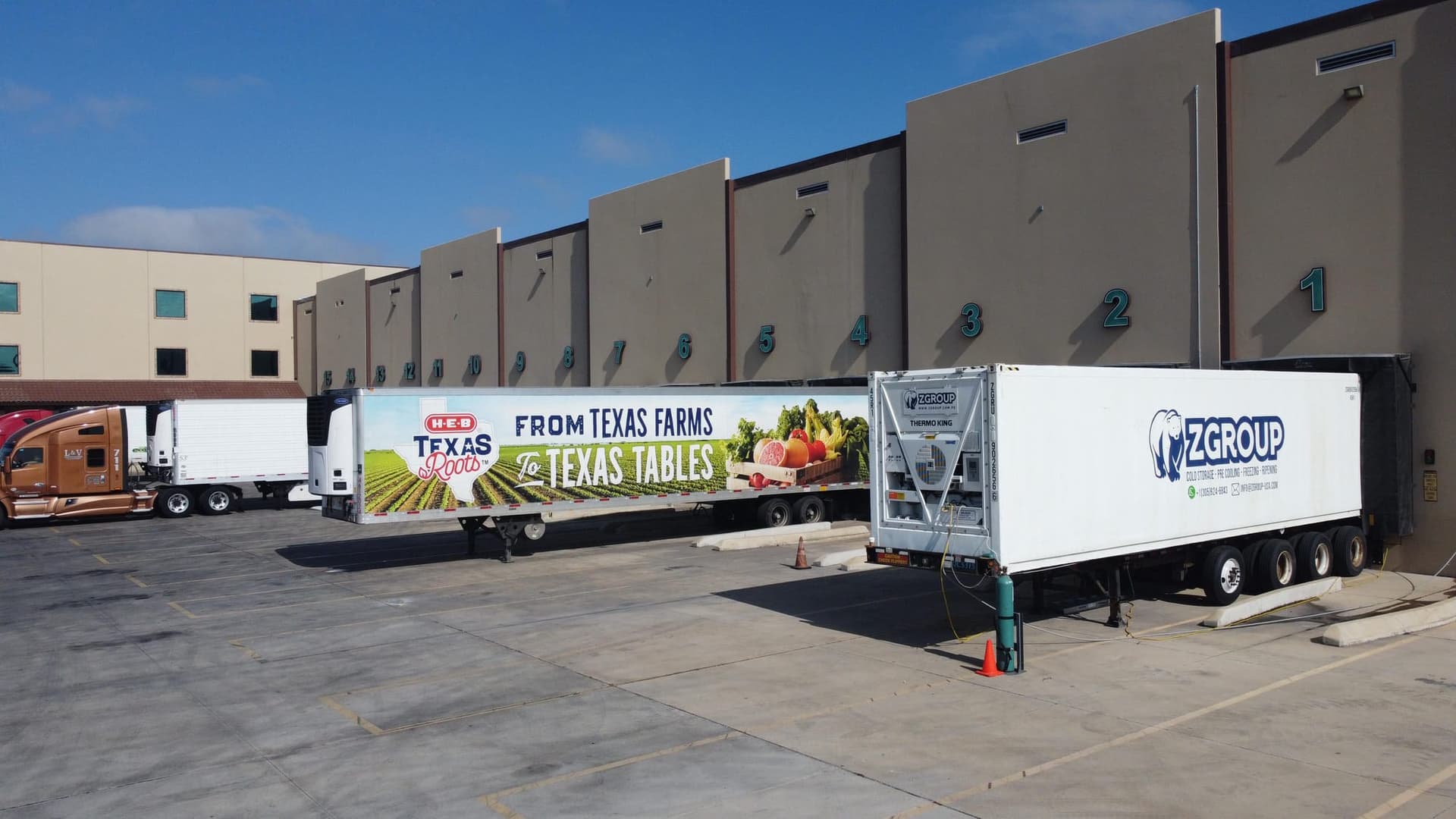
Both work. A produce importer in Swedesboro, NJ launched an avocado pre-conditioning program by renting two 20-pallet ripening units connected to its dock, keeping its options open. A cold storage operator in McAllen, TX bought two units and connected them to its docks because it had no room to add ripening rooms inside. On the degreening side, a major citrus packer in Delano, CA runs four 20' degreening chambers for experimental trials, without touching its main packing line.
What affects the cost
- Room type: ripening, degreening or controlled atmosphere.
- Size and number of rooms: 20 ft or 40 ft, one or several.
- Rent or buy, and the length of the season.
- Delivery location and connections at the dock: power, ethylene and water.
We do not publish prices. Tell us your fruit, volume and location and we recommend the right size and cycle with a quote.
Next step
Compare all three on our ripening and degreening rooms page, or tell us about your fruit.
Frequently asked questions
What is the difference between ripening and degreening?
Ripening brings fruit to its ideal eating point by speeding up its internal processes. Degreening removes chlorophyll from citrus peel to reach market color, without necessarily changing internal ripeness.
Can citrus be ripened in a ripening room?
Citrus doesn't ripen after harvest. When it is mature inside but still green, it is degreened for color instead.
How long does degreening take?
Between 3 and 5 days, depending on the variety and the fruit's starting condition, at 68°F to 77°F, 90–95% relative humidity and 1–5 ppm ethylene.
How long does it take to ripen avocados or bananas?
It varies a lot. Cycle length depends on the fruit and variety, its condition on arrival and its end use: fruit ripened at origin for industrial processing (pulp, IQF) follows a different program from fruit ripened to a retail color stage. We program each cycle for your product and destination.
Do ripening and degreening rooms require construction?
No. ZGROUP rooms are containerized. They sit on a level surface, need power plus an ethylene supply (and water for humidification) and can be relocated.