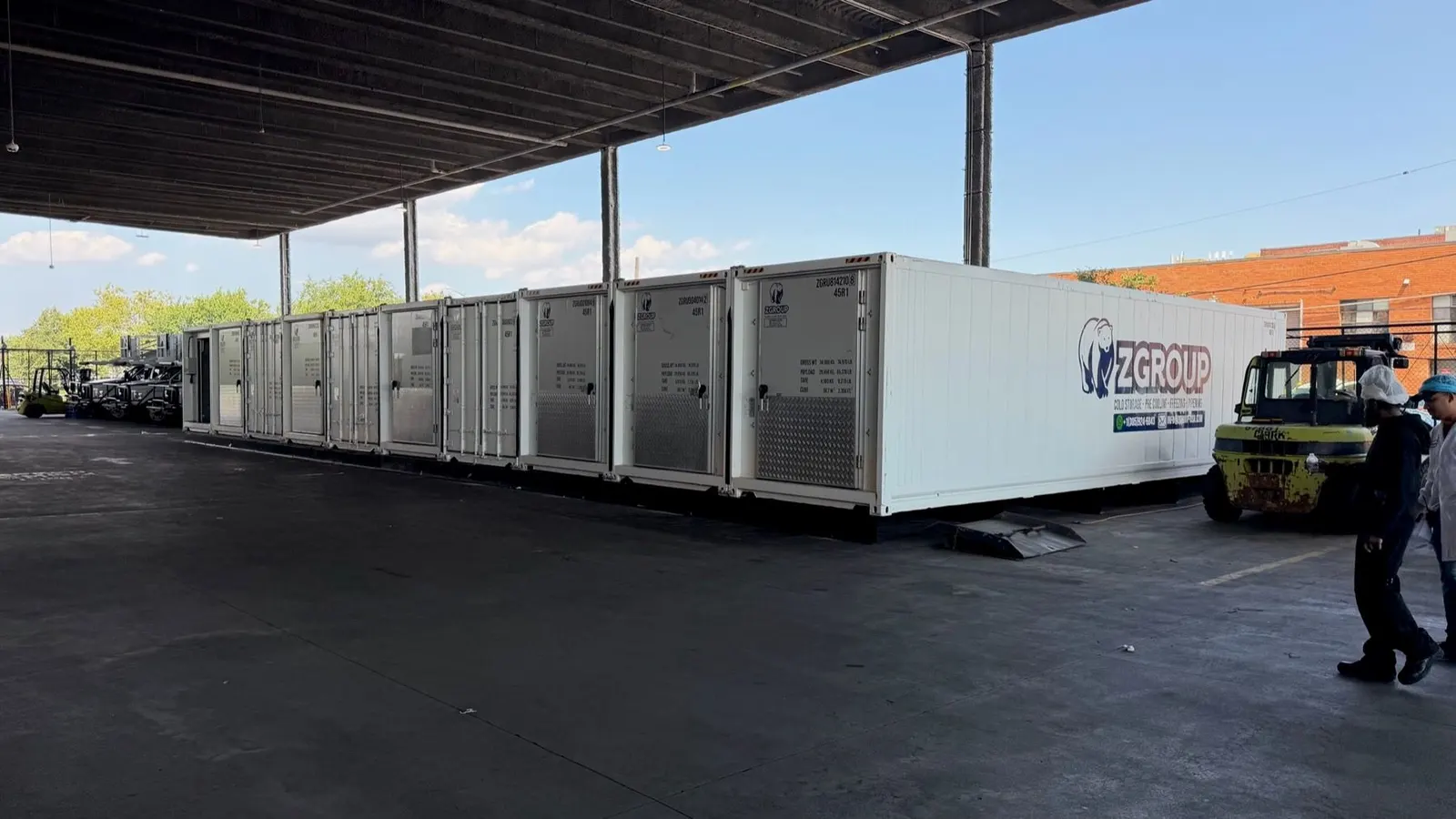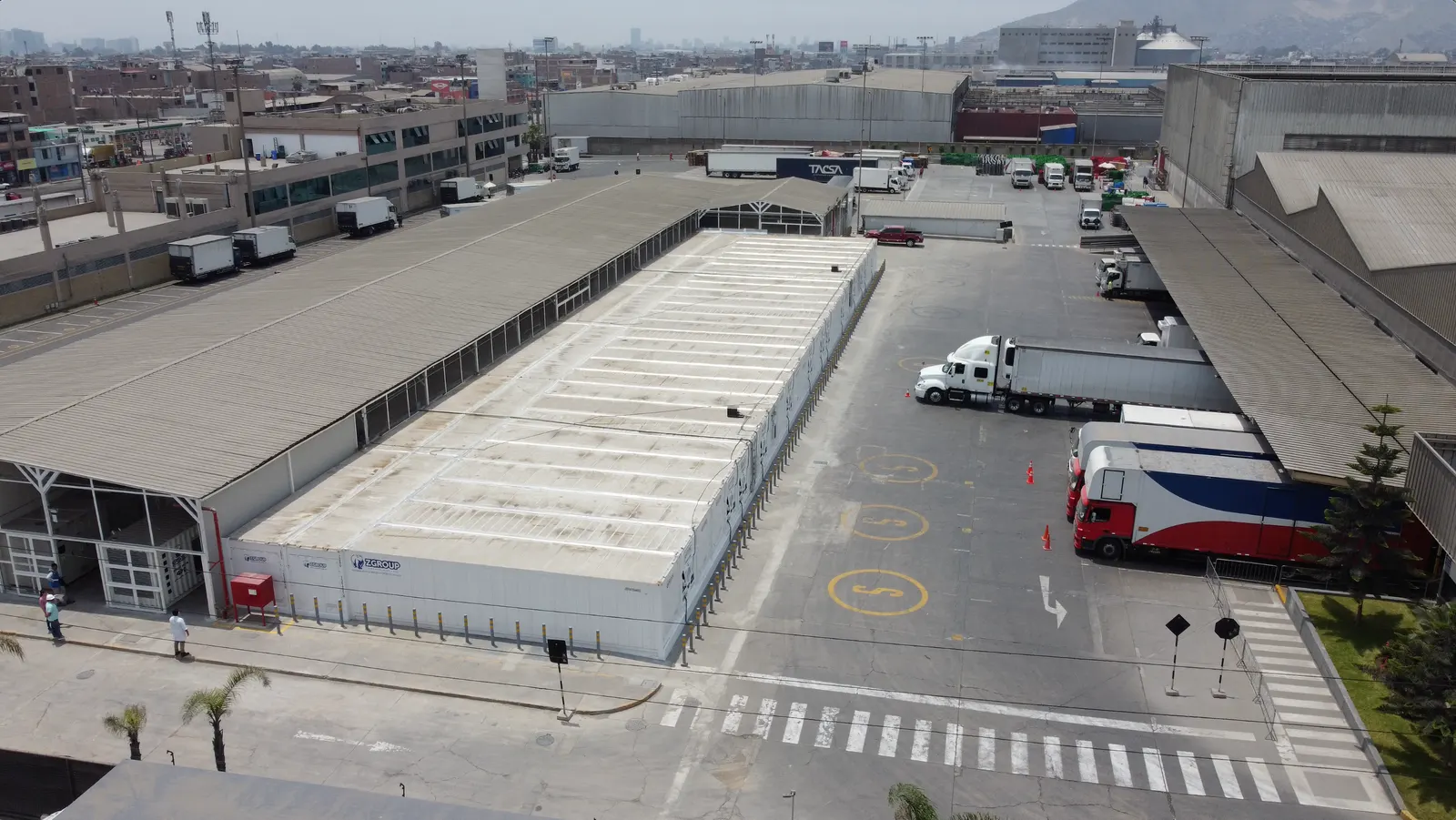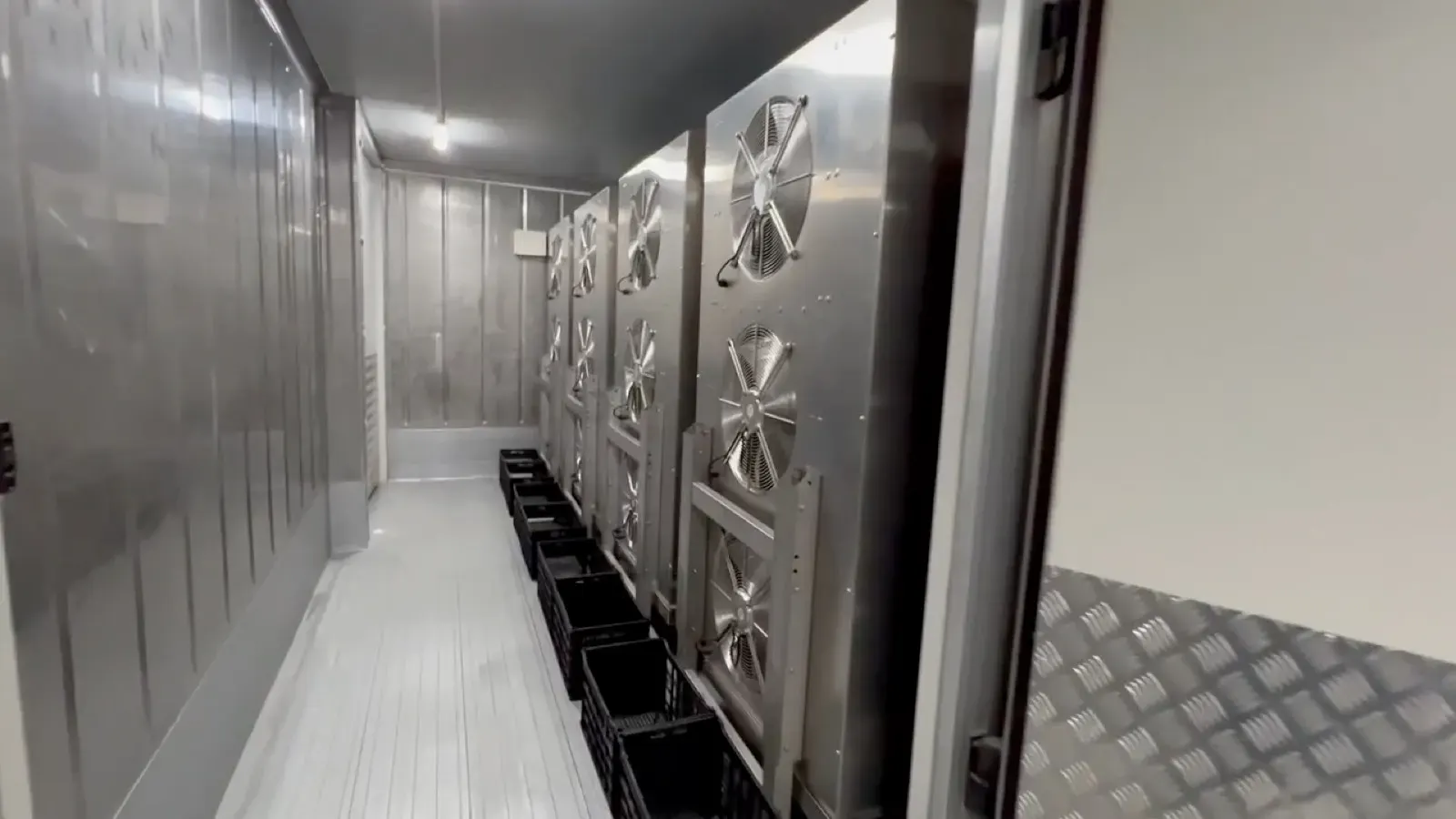
A soup producer in Mexico scaled from 100 lb/day to more than 5,000 lb/day with a continuous two-stage setup: blast chilling, then blast freezing.
In This Article
A soup producer in Mexico needed to grow from about 100 lb/day to more than 5,000 lb/day. ZGROUP designed a two-stage setup around an industrial blast chiller and a blast freezer, taking soup from 176°F to 0°F in a continuous flow that never stops the kitchen.
The challenge
Cooking more soup is the easy part. Cooling it is where production scale gets decided. Hot product has to come down in temperature before it can be frozen and stored, and at small volumes that can be handled in batches.
At 50 times the volume, batch cooling becomes the limit. The producer needed a cooling process that could keep up with the kitchen continuously, from cooking temperature all the way to frozen.
The solution
ZGROUP built a two-stage setup:
- Blast chilling from 176°F to 41°F.
- Blast freezing from 41°F to 0°F.
The two stages run as a continuous flow. Product leaves the kitchen, is chilled, then frozen, and the kitchen never has to stop and wait for cooling capacity.
The results
- 50× capacity scaled, from 100 lb/day to more than 5,000 lb/day
- 500 lb/h continuous output
- 176°F → 0°F in a two-stage cycle
When to choose an industrial blast chiller
An industrial blast chiller makes sense when cooling, not cooking, is what limits your output. A few signs you have reached that point:
- The kitchen waits. Production pauses because the chiller is still full.
- You are planning a big jump in volume. Batch cooling that works at 100 lb/day rarely works at 5,000 lb/day.
- You freeze what you cook. Splitting the job into a chilling stage and a freezing stage lets each one do what it does best.
Why two stages?
A two-stage design separates the hot pull-down from the final freeze. The first stage brings cooked product down from cooking temperature; the second takes it to frozen. Running them in sequence as a continuous flow means output is set by the line, not by how long one batch takes.
What to define before sizing
Start with the numbers that drive the design: the cooking temperature product leaves the kettle at, the temperature it needs to reach, and the hourly output the kitchen has to sustain. In this project those were 176°F, 0°F and 500 lb/h. With those three figures, each stage can be sized so neither one holds up the other.
It also helps to plan for growth. A line designed for continuous flow can be sized for where production is going, not only where it is today.
Continuous flow vs. batch cooling
Batch cooling fills a chiller, waits for the cycle to finish, then empties it. That works at low volume. A continuous flow moves product through each stage at a steady rate, which is how this producer reached 500 lb/h. When production targets rise sharply, moving from batch to continuous is often the change that makes the new volume possible, because the kitchen no longer has to pause while cooling catches up.
Monitoring matters as volume grows. When hundreds of pounds move through the line every hour, the team needs to see temperatures and alarms at each stage in real time, so a problem at one step is caught before it affects the product behind it.
Is it right for your operation?
If cooling capacity is what stands between your kitchen and its next volume target, a continuous two-stage line may be the answer. See our Industrial blast chiller, or talk to our team about your products and target output.
Frequently asked questions
What does an industrial blast chiller do?
It brings cooked food down from cooking temperature quickly so it can be stored or frozen. In a two-stage line, a blast freezer then takes the product to frozen.
Why use a blast chiller and a blast freezer together?
Splitting the job into a chilling stage and a freezing stage lets product move in a continuous flow, so output is set by the line rather than by one batch.
What information do I need to size an industrial blast chiller?
Start with the product's starting temperature, the target temperature, and the hourly output the kitchen must sustain. Those figures set the size of each stage.