Product, pallets per batch, batch vs. IQF, BTU/hr and cycle time: a step-by-step guide to choosing an industrial blast freezer, with a checklist.
In This Article
- What a blast freezer does, and why a storage freezer is not enough
- Step 1: Start with the product
- Step 2: Batch or IQF?
- Step 3: Size it to your pallets per batch
- Step 4: Check the cycle against your production
- Step 5: Plan where it goes and what happens next
- Step 6: Look for features that save you a second machine
- Blast freezer or blast chiller?
- Common mistakes when choosing a blast freezer
- Who uses containerized blast freezers
- Rent or buy, and what affects the cost
- A real example
- Blast freezer checklist
Short answer: choose a blast freezer by your product first, then your volume. For full pallets frozen in batches, an industrial batch blast freezer sized to your pallets per batch is the right tool: ZGROUP's four standard containerized models freeze 4 to 10 pallets per batch at a -40°F evaporating temperature, with 49,570 to 227,700 BTU/hr, and when no standard model fits, we design custom equipment around your product. For pieces that must come out loose (shrimp, berries, breaded or bakery products), choose an IQF freezer instead. Dense product such as meat or fish blocks calls for the higher-power models.
What a blast freezer does, and why a storage freezer is not enough
A blast freezer pushes very cold, high-velocity air through the product to pull the heat out fast and evenly. Fast freezing forms small ice crystals that protect texture, flavor and yield. A regular freezer or cold room is built to hold product frozen, not to freeze it: warm product freezes slowly, forms large ice crystals and can warm up the product already stored. Freezing in a blast freezer and then moving product to frozen storage keeps both jobs working properly.
Step 1: Start with the product
What you freeze decides most of the specification:
- Seafood (shrimp, fish, octopus), meat and poultry, fruit and vegetables, bakery, prepared meals and dairy can all be blast frozen.
- Dense product such as meat, fish blocks and large cuts drags out the cycle on standard equipment. That is what the 50HP and 75HP models are built for.
- Packaging matters: the same product in a different box or pallet pattern freezes at a different speed. Share your packaging when you ask for a recommendation.
Step 2: Batch or IQF?
A batch blast freezer freezes full pallets: you load, close the door and the whole batch goes to frozen. An IQF (Individual Quick Freezing) system freezes each piece separately, so product comes out loose and can be portioned and packed without thawing a block.
| Batch blast freezer | IQF freezer | |
|---|---|---|
| What goes in | Full pallets of boxed product | Individual pieces on a belt |
| What comes out | Frozen pallets | Loose, individually frozen pieces |
| Typical products | Seafood, meat, fruit, vegetables, prepared meals | Bakery, seafood portions, breaded products, berries and vegetables |
| ZGROUP format | 4 standard containerized models, or a custom design | Spiral or tunnel, designed around your product |
If you are not sure, read our guide What is IQF freezing?
Step 3: Size it to your pallets per batch
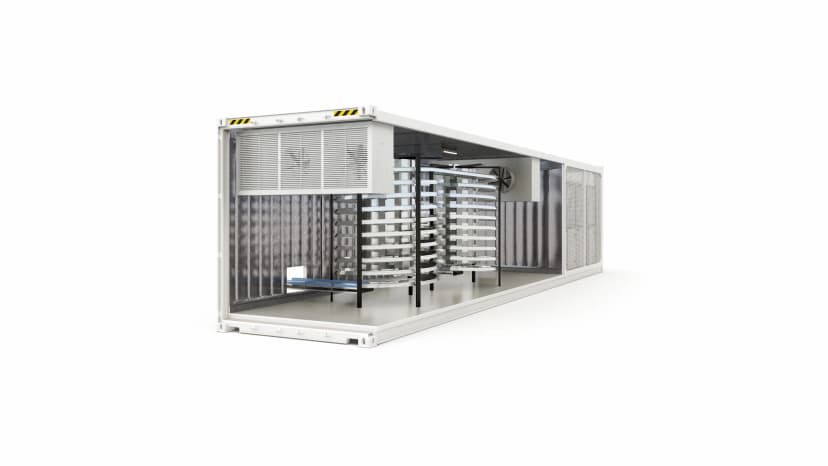
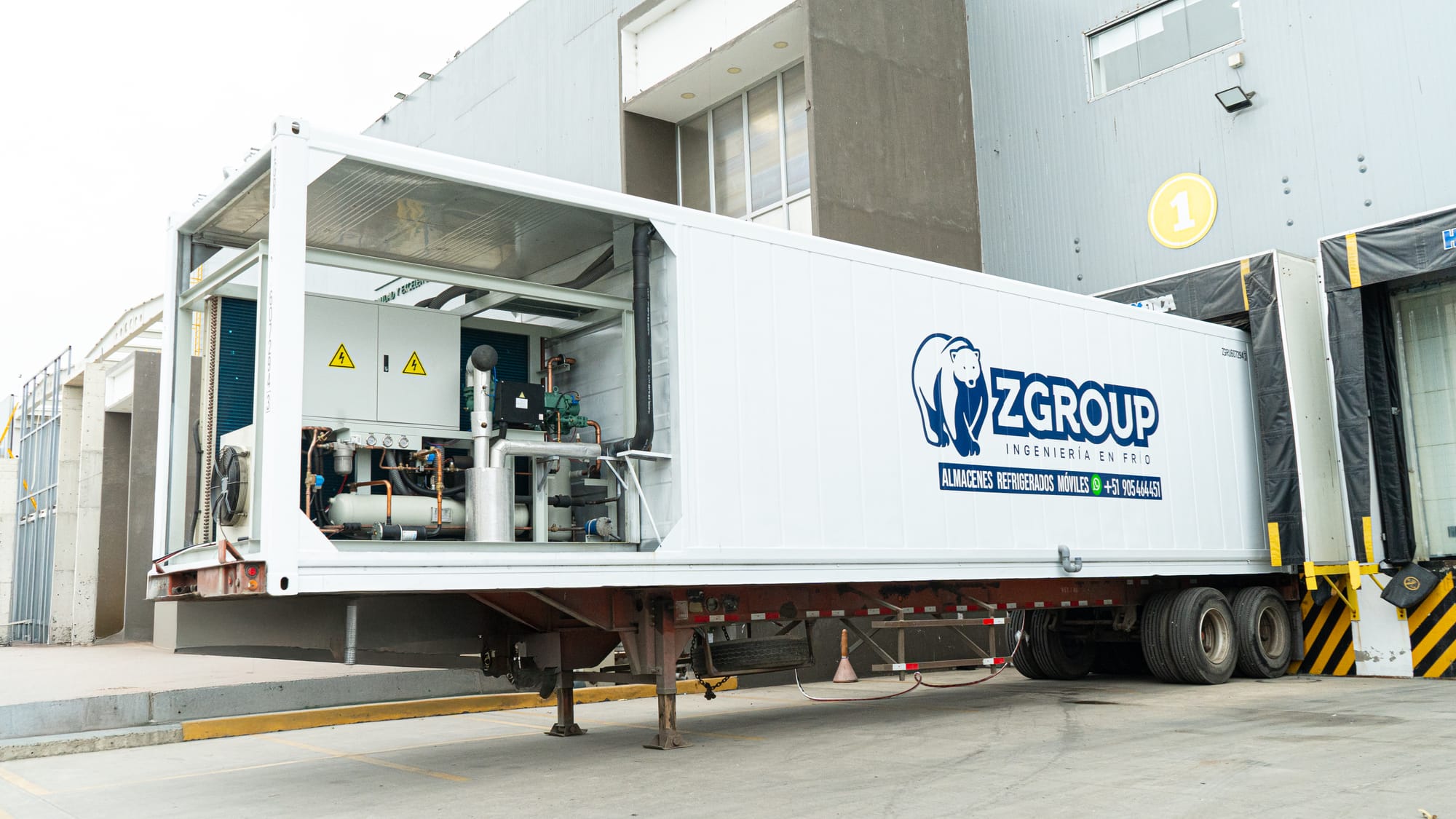
ZGROUP's industrial blast freezer comes in four standard containerized models:
| Model | Format | Pallets per batch | Capacity | Forced air |
|---|---|---|---|---|
| 2TK | 20' container | 4 | 49,570 BTU/hr | 5,886 CFM |
| 5TK | 40' container | 10 | 123,925 BTU/hr | 29,429 CFM |
| 50HP | 40' container | 8 | 157,950 BTU/hr | 60,388 CFM |
| 75HP | 40' container | 8 | 227,700 BTU/hr | 60,035 CFM |
The 2TK is the entry point to batch blast freezing for mid volumes. The 5TK carries the most pallets per cycle. The 50HP and 75HP carry fewer pallets but much more refrigeration power, for dense product where cycle time is the bottleneck. Size to what you really produce, so you do not pay for power you will not use.
These four models are our standard range, not the limit. If your product, volume or site calls for something they do not cover, we design custom blast freezing equipment around your process.
Step 4: Check the cycle against your production
All four models freeze with air at -40°F evaporating temperature and take product to frozen storage temperature, 0°F or below. A batch takes about 12 hours on average, depending on product and packaging, so full pallets loaded at the end of the day are frozen overnight. Compare that cycle with your daily output: if you produce more than one batch fits, you need a bigger model, a second unit, a custom design or a different process.
Step 5: Plan where it goes and what happens next
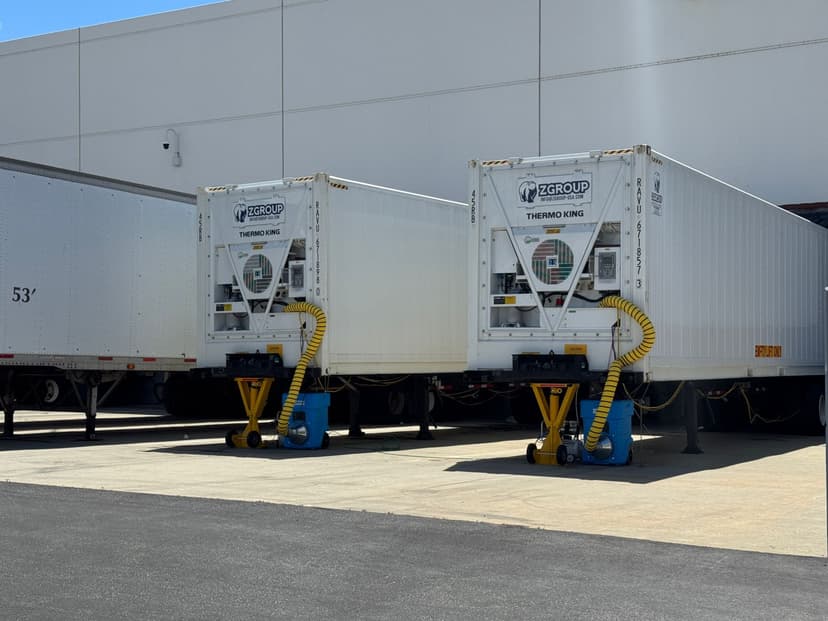
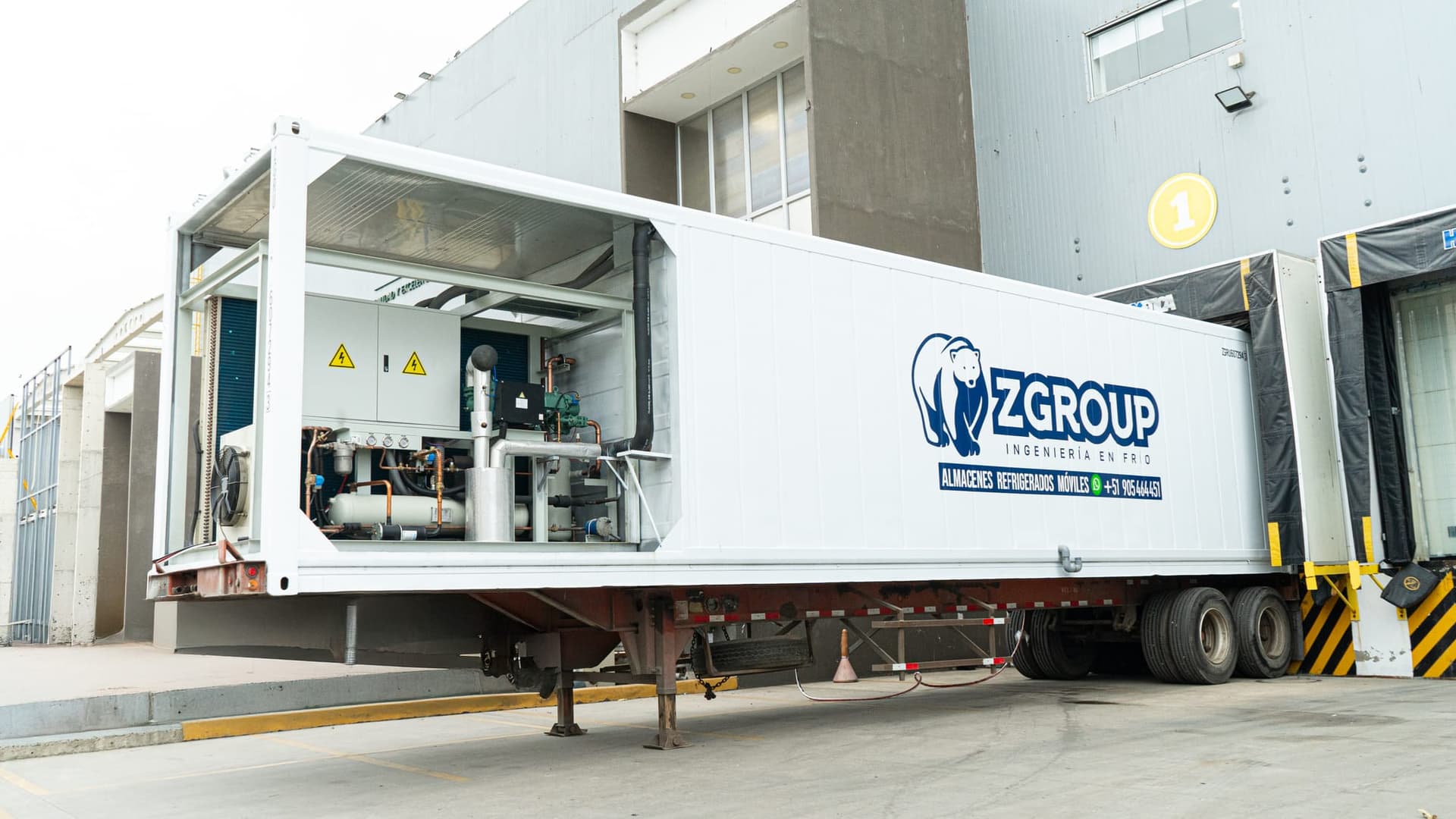
- Location. Every standard unit is containerized and plugs straight into your production line, with no construction. Units are delivered in under 60 days and installed in 2–5 days.
- Power. Share your site's electrical service early so the unit and connection are planned together.
- Frozen storage. Once frozen, product moves to a storage freezer. If you lack space, a walk-in freezer container or a ZSTORE XL modular freezer can sit next to the blast freezer.
Step 6: Look for features that save you a second machine
- Thaw mode. The 2TK and 5TK also work as fast thawing equipment, bringing frozen product back up to temperature in a controlled way. One asset, two processes.
- Remote monitoring. ZTrack is installed on every model and runs on a subscription, with real-time temperature, humidity and energy performance.
- Mobility. A containerized unit can move to another plant or site if your operation changes.
Blast freezer or blast chiller?
The names are close but the jobs are different. A blast freezer takes product to frozen, 0°F or below. A blast chiller pulls temperature down fast without freezing: a pre-cooling tunnel takes fruit and vegetables from field heat to 32°F, and an industrial blast chiller cools cooked product out of the temperature danger zone (41°F to 140°F) within FDA Food Code cooling times. If your product is sold fresh, you need a blast chiller; if it is sold frozen, you need a blast freezer.
Common mistakes when choosing a blast freezer
- Freezing in the storage room. A storage freezer holds temperature; loading warm product into it freezes slowly and warms up the product already stored.
- Sizing on peak dreams instead of real volume. Four standard capacity levels, plus custom designs, let you match the unit to what you actually produce, without paying for power you do not need.
- Ignoring density and packaging. Dense product and tight packaging lengthen the cycle. If cycle time is your bottleneck, look at the 50HP and 75HP before adding pallets.
- Forgetting where the frozen product goes. A blast freezer empties every cycle; plan the frozen storage at the same time.
- Leaving power to the last minute. The electrical connection is part of the project. Share your service early.
Who uses containerized blast freezers
Containerized batch freezers suit seafood processors, meat and poultry plants, fruit and vegetable packers, bakeries and prepared-meal producers that want to raise frozen output without building a freezer room. Because the unit plugs straight into the line and can be relocated, it also fits seasonal production and companies testing a new frozen product before committing to a permanent plant.
Rent or buy, and what affects the cost
Industrial blast freezers are available to rent or to buy. Price depends on the model, the number of units, rent or purchase, the delivery location and the electrical work on site. Tell us your product, packaging and volume and we recommend a standard model or design a custom one, and send a quote.
A real example
An Arizona food bank installed a ZGROUP mobile blast freezer to preserve fresh donations for months instead of days, so more food reaches families.
Blast freezer checklist
- Product, packaging and pallet pattern.
- Pallets per day and per batch.
- Batch (pallets) or IQF (loose pieces).
- Target cycle: is about 12 hours per batch fast enough?
- Electrical service at the site.
- Where frozen product will be stored.
- Need for thawing as well as freezing.
- Rent or buy.
See all options on our blast freezer page, or talk to our team about your product.
Frequently asked questions
How cold does an industrial blast freezer get?
ZGROUP's industrial models freeze with air at -40°F evaporating temperature and take product to frozen storage temperature, 0°F or below.
How long does blast freezing take?
About 12 hours per batch on average, depending on the product and its packaging.
Which blast freezer model do I need?
The 2TK (20', 4 pallets) and 5TK (40', 10 pallets) cover mid and high volumes. The 50HP and 75HP (40', 8 pallets, 157,950 and 227,700 BTU/hr) add power for dense product such as meat or fish blocks. If none of the standard models fits, we design custom equipment around your product and volume.
Does a blast freezer require construction?
No. Units are containerized and plug into your production line. They are delivered in under 60 days and installed in 2–5 days.
Can a blast freezer also thaw product?
Yes. The 2TK and 5TK can run as fast thawing equipment, bringing frozen product back up to temperature in a controlled way.