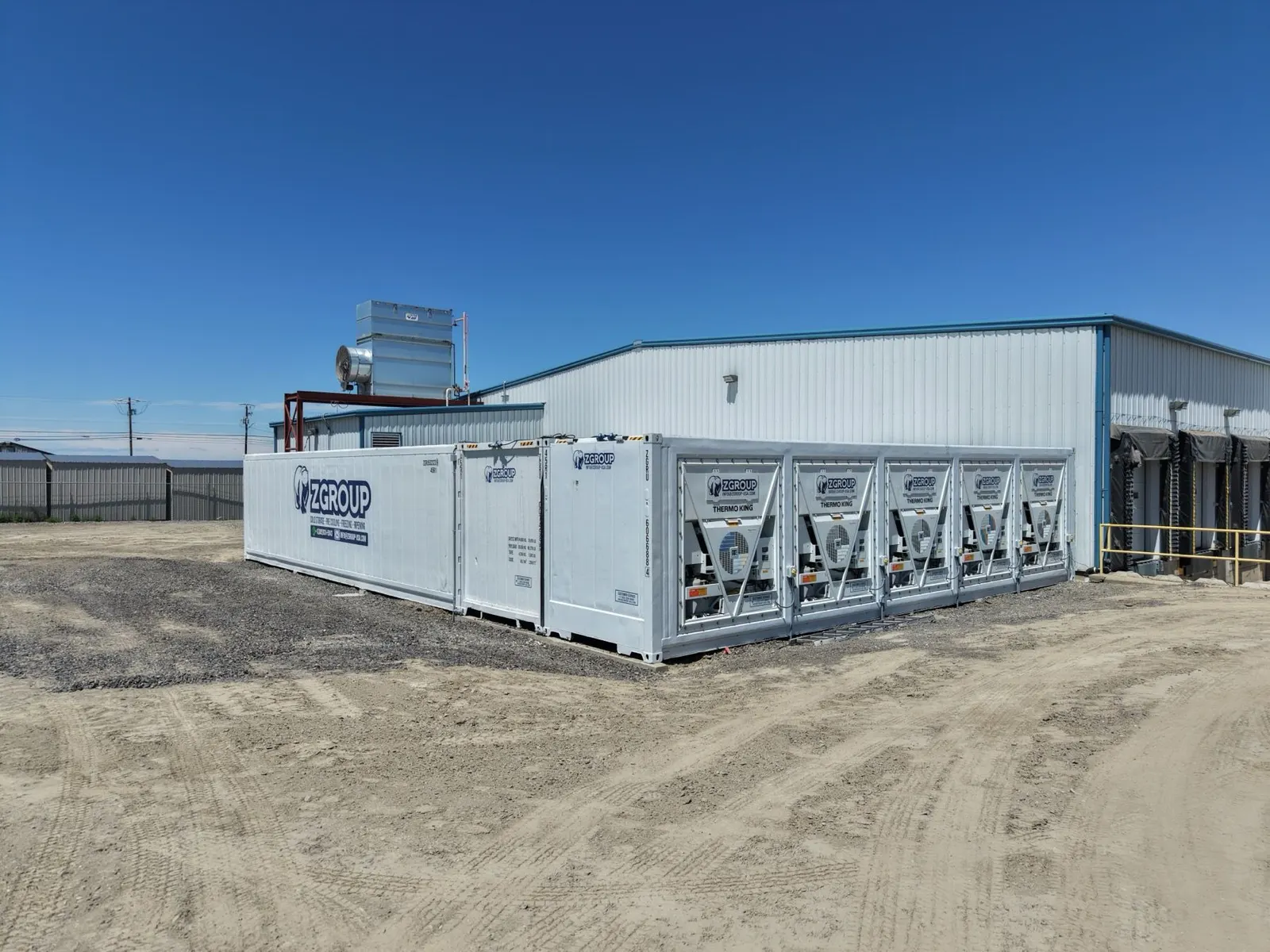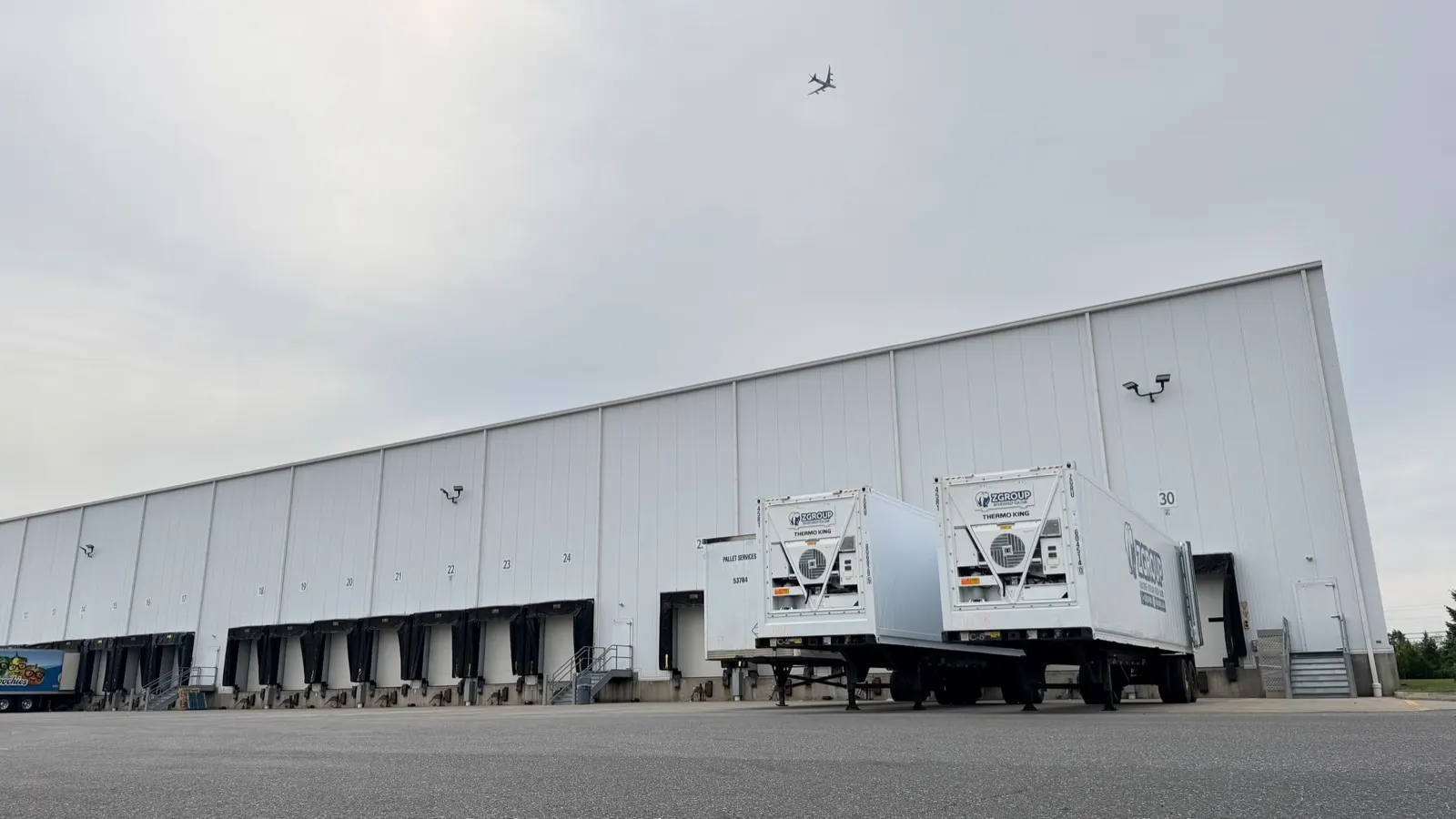
A produce grower in Vineland, NJ had slow pre-cooling and no room to build. A Blast Chiller XL on an existing dock added 10 pallets of fast cooling per batch.
In This Article
A produce grower in Vineland, NJ, USA had a traditional pre-cooling system that was too slow, and no space to build more. ZGROUP connected a Blast Chiller XL to an existing dock, adding 10 pallets of fast cooling per batch without a new building. It is a practical example of how blast chillers for vegetables and other fresh produce can fit onto a working farm.
The challenge
On a produce farm, cooling capacity sets the pace. If pre-cooling is slow, harvested product waits, and the whole operation slows down to match it.
This grower already had a traditional pre-cooling system, but it was too slow for the volume. The obvious fix, building more cooling space, was not available: there was no room to build.
The solution
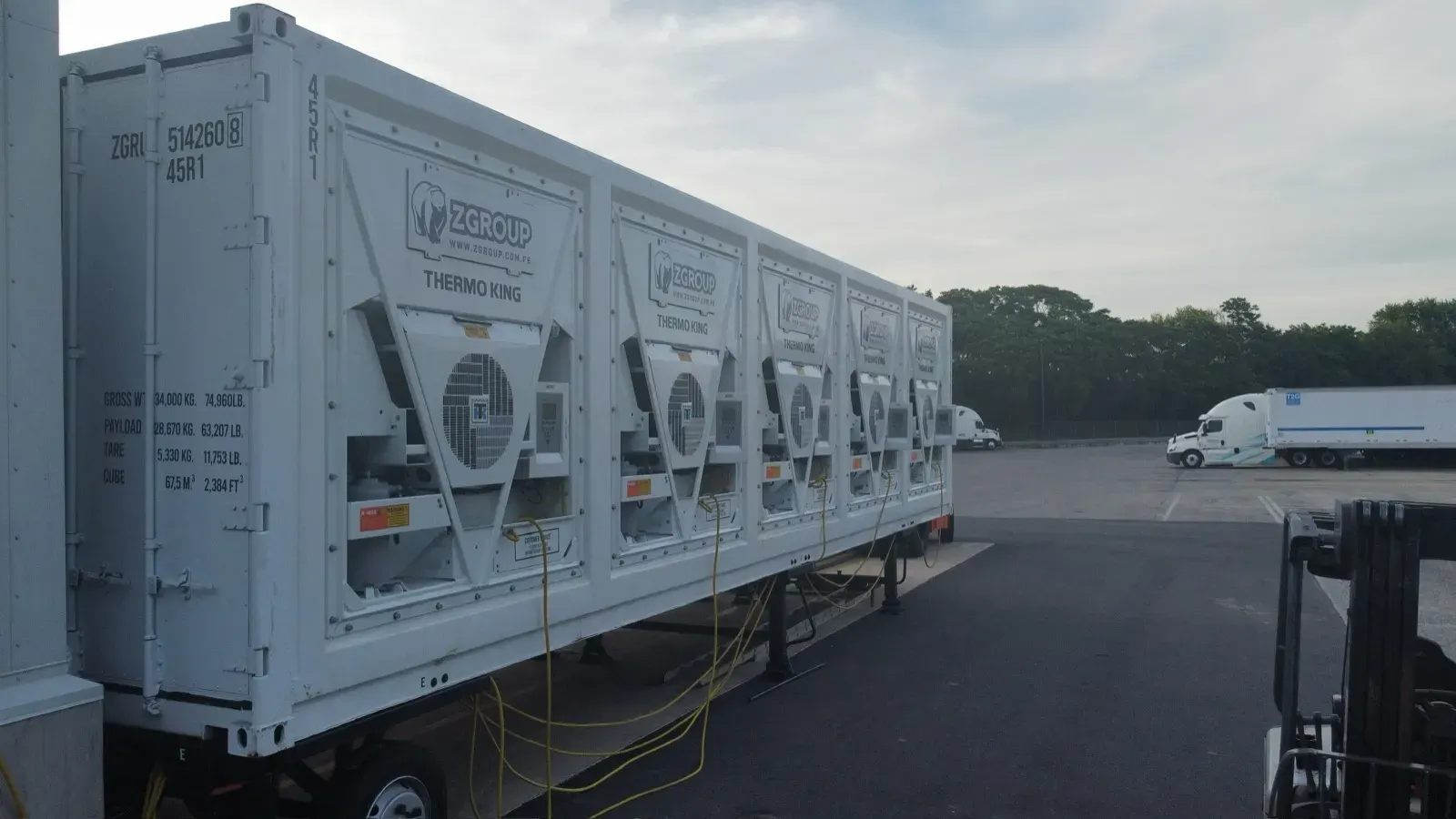
ZGROUP connected a Blast Chiller XL to one of the farm's existing docks. The unit adds 10 pallets of fast cooling per batch, and because it attaches to the dock, product moves in and out using the flow the farm already had.
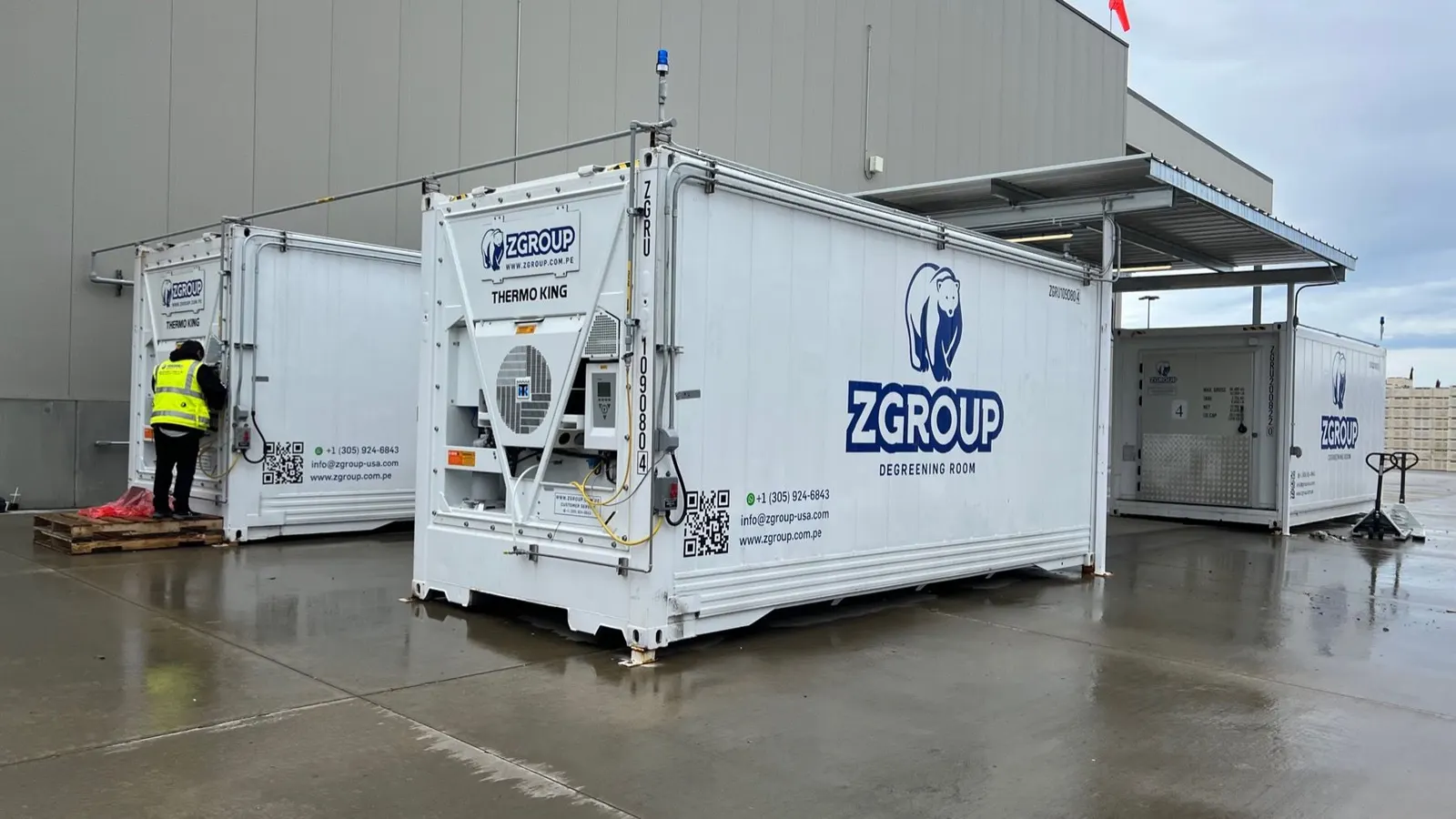
No new building was needed. The blast chiller is modular and built from a refrigerated container with Thermo King refrigeration, so it required no civil works and only minimal site prep.
The results
- 10 pallets per batch
- Dock-connected, with no new building
- Faster than traditional cooling
What to know about blast chillers for vegetables
Blast chillers for vegetables and other produce are built to remove field heat quickly, which is a different job from holding product in cold storage. A cold room keeps product at temperature; a blast chiller or pre-cooling unit pulls the heat out first.
When evaluating one for your farm, look at:
- Batch size. An XL unit handles 10 pallets per batch. Think in batches per day, not only in square feet.
- Dock connection. Attaching the unit to an existing dock keeps the product flow short and avoids building new receiving space.
- Timeline. ZGROUP units are delivered in under 60 days and installed in 2 to 5 days, which matters when the season is weeks away.
- Humidity. Humidity control from 50% to 95% RH is available with the ZGROUP humidifier system, derived from its ripening rooms.
- Monitoring. ZTRACK reports temperature and alarms remotely.
Rent or buy?
Units are available to rent or to buy. Renting can cover a peak season or prove out capacity; buying suits a permanent need. Either way, the unit carries a 5-year warranty and can be moved and reinstalled at another site later.
Signs your pre-cooling is too slow
- Harvested product waits on the dock for a spot in the cooler.
- Harvest or packing schedules bend around cooling capacity instead of the other way around.
- Your cooling space is full, and there is no room or budget to build more.
If these sound familiar, the fix is usually more fast-cooling capacity at the point where product enters the cold chain, not more storage. A dock-connected blast chiller adds that capacity without touching the existing building.
Batch planning
Think in batches per day. Knowing how many pallets arrive at peak, and how many batches the unit can run in a shift, tells you whether one XL unit covers the need or whether a larger configuration makes more sense. That is the simplest way to compare options on equal terms.
What is a blast chiller for produce?
In fresh produce, a blast chiller is a forced-air pre-cooling tunnel. High-capacity airflow pulls field heat out of fruit and vegetables right after harvest, toward 32°F, in 30 minutes to 2 hours depending on the product, where a conventional cold room takes 8 to 12 hours. ZGROUP builds it in a container, so it connects to an existing dock or sits at ground level with no construction, and units cool 10 or 20 pallets per batch.
See the pre-cooling blast chiller, the full blast chiller range, and our projects in New York and New Jersey.
Is it right for your operation?
If your pre-cooling is holding back the harvest and there is no room to build, a dock-connected blast chiller can add capacity where you need it. See the Pre-cooling tunnel, or talk to our team about your volumes and dock layout.
Frequently asked questions
What is the difference between a blast chiller and cold storage for vegetables?
A blast chiller or pre-cooling unit removes field heat quickly after harvest. Cold storage then holds the product at a steady temperature.
How many pallets can a blast chiller for produce handle?
A ZGROUP Blast Chiller XL handles 10 pallets per batch.
Can a blast chiller connect to an existing dock?
Yes. ZGROUP blast chillers can be connected to an existing dock, adding cooling capacity without a new building.
How long does a blast chiller take to cool produce?
Between 30 minutes and 2 hours depending on the product; blueberries reach temperature in about 2 hours. A conventional cold room takes 8 to 12 hours.